Aunt Mary: Small in Stature, Big in Impact

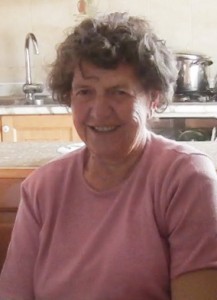
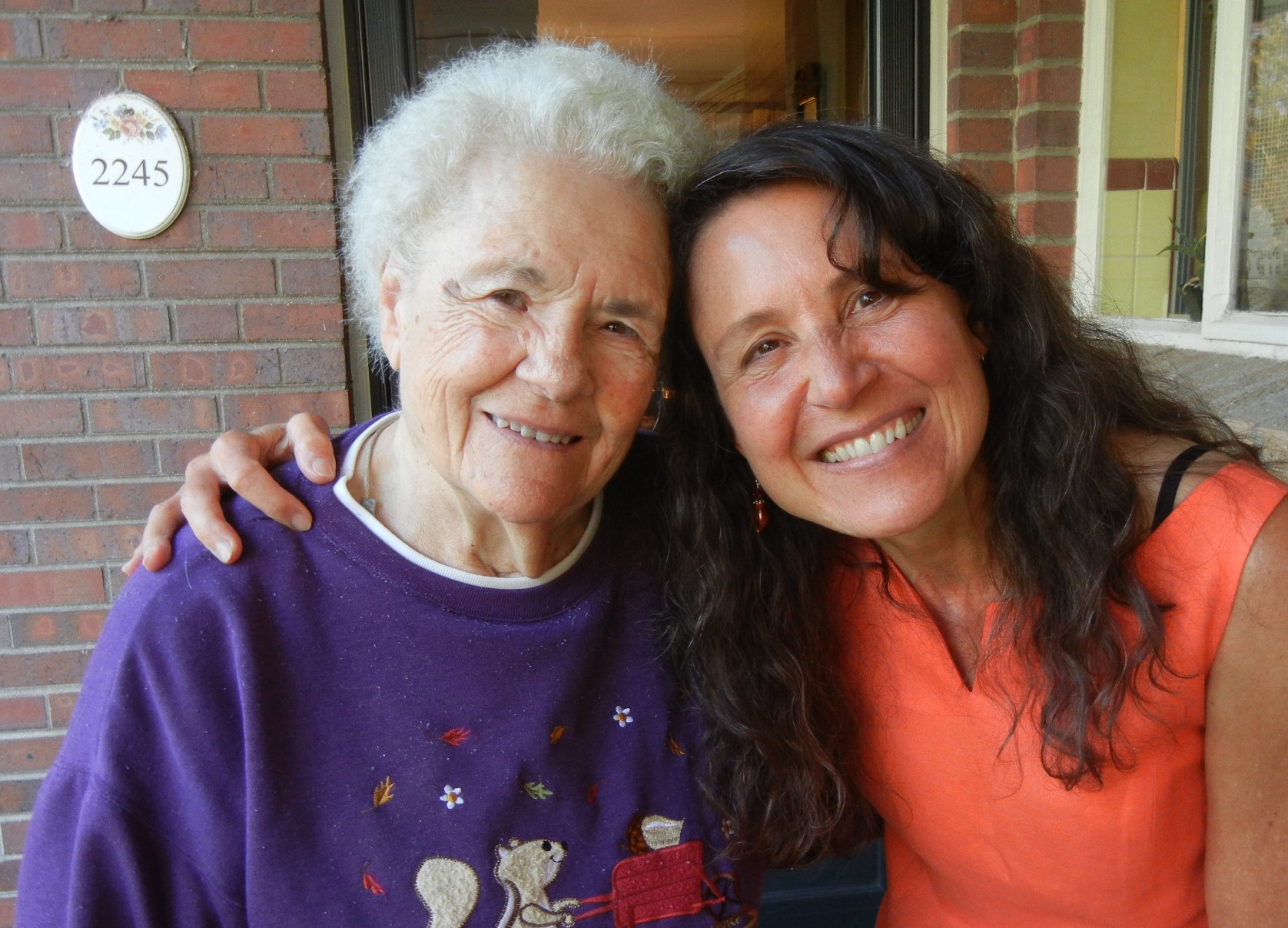
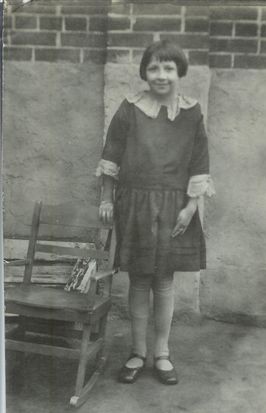
On this day, September 1, in the year 1917, my Aunt Mary was born in the mining town of Russell Gulch, Colorado. She was born small, according to my mother, and didn’t fully develop. In the childhood photo I have of her, she stands next to a rocking chair made by one of her uncles in a handmade dress adorned with lace. She was the fourth of seven children born to my grandmother.

After she graduated from St. Joseph’s High School in Denver, she went to Emily Griffith Opportunity School to learn how to sew. The school, located just east of Cherry Creek and therefore accessible to those who lived west of it, lived up to its name and provided many opportunities for immigrants and their families. My maternal grandparents both earned English language proficiency certificates from there, in preparation for the US citizenship exam. Aunt Mary made my mother’s beautiful graduation dress, a sailor style popular in the early 1940s. Aunt Mary walked to opportunity school and one day accepted a ride from a truck driver, thinking it was her half-brother, Dan. Once she realized her mistake, she quickly got out. She was trusting in a way that could make her vulnerable.

Aunt Mary lived at home, with my grandparents. After they both had died, she lived with each of her siblings for one month at time. For most of my childhood, I remember this ritual of preparing one of the bedrooms for Aunt Mary’s arrival. We kids always looked forward to it. She loved us, paid attention to us, and helped me practice spelling words and mathematical “times tables” memorizations. She refused the use of borrowed suitcases for her monthly moves and instead carried nested paper grocery bags full of her few belongings. When a bag became worn, she would simply add a new outer layer. (Decades later I have come to appreciate her organizing method when I make a car trip: one bag for coats, another for shoes, another for hats, allowing easy access to the right garb.)

“I’m slow,” she would say with a smile, repeating words she must have heard in school. Yet, she carried a living genealogy in her head. She could tell me the specific dates of when someone had died in our large extended family.

Her needs were simple and she appreciated a few things: coffee with four sugars and plenty of milk, attending Catholic Mass every day, afternoon baths, ice cream, reading the newspaper and watching her favorite TV shows, The Lawrence Welk Show and The Carol Burnett Show. Seeing Aunt Mary laugh out loud while watching Carol Burnett impersonate an everyday character made it was impossible not to feel joy.

Cousin Billy and I took Aunt Mary to San Diego one year so she could see the Lawrence Welk Museum. Lawrence wasn’t there, but she enjoyed attending Mass at the mission churches and having ice cream in the hotel room at night.

Aunt Mary taught me about generosity, a value which she consistently demonstrated. If someone gave her a candy bar or a treat, she always shared it with us kids. “Here, you take half,” she would say, without hesitation. She had little but she always shared what she had. At some point in life, Aunt Mary started to receive a small payment each month from the government for her care. Every week, she would choose three missions to whom to give money.  Billy would help her with the mailing and stamps.

She lavished praise on us nieces and nephews, signing birthday cards –enclosed with a few dollars–with a long list of accolades. “To my smart, kind, generous, brave niece.” It wasn’t flattery. Rather it seemed like she saw the best in us, and wanted us to see it too. Although her writing became shaky over the years and it became harder for her to write, she still did it. She would conclude her cards and letters by asking us to pray for her.

In March of 1980, she was awarded the Fulton Sheen Award named after an influential priest who believed in integrating faith into everyday life. The beautiful wood plaque presented to her in person reads “To Mary Faustin for your love of and devotion to the foreign missions.”

Aunt Mary understood what mystics know and many of us often strive a lifetime to learn: the joy of life’s simple pleasures. The benefit of daily spiritual practice. The healing of laughter. The value of generosity.  

From Aunt Mary, I learned about compassion, about being kind to people who were different and treated as “others.” Everyone in our extended family was influenced by her presence in our family. Two of my sisters became special ed teachers because of her. We all benefitted.

Her tombstone reads “Beloved Aunt” and that she was. I feel emotional writing about her.

After she died in 1999, Aunt Mary came to me in a dream. She smiled down on me at my bedside, and seemed larger than life, although it was clearly her essence. I felt like I was in the presence of a saint, or at least a saintly being.
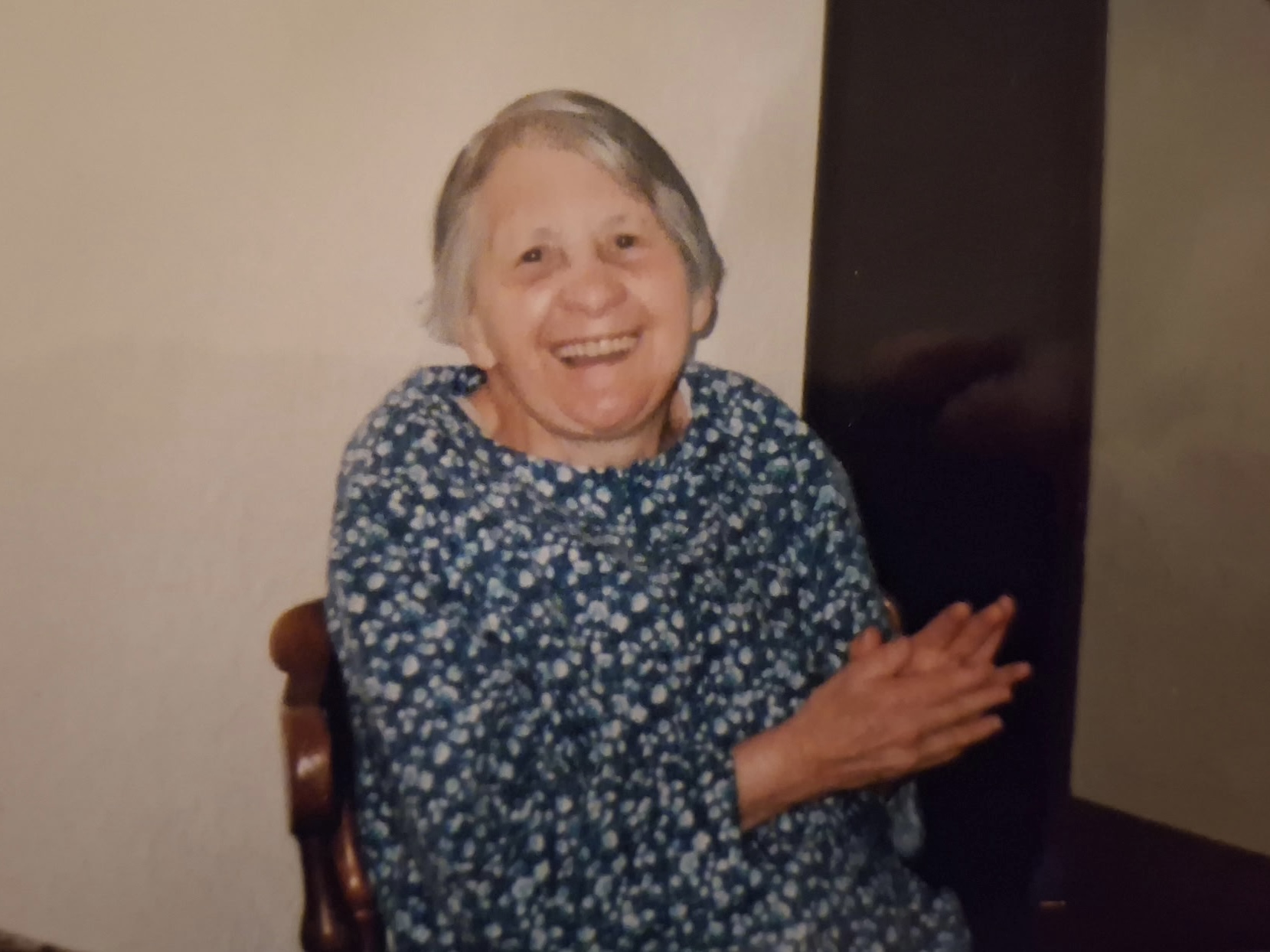
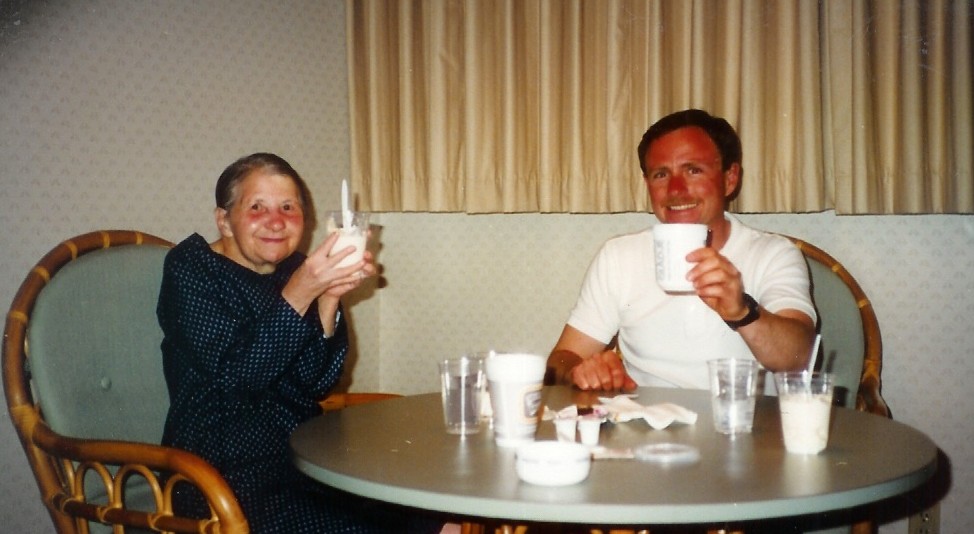
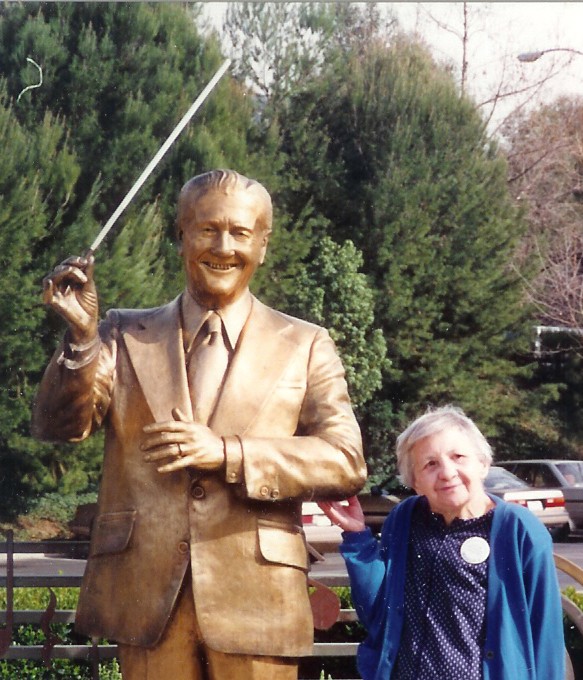
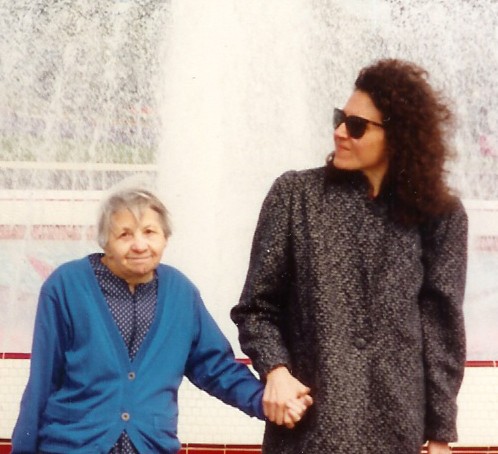
Blessed be, dear Aunt Mary. Please, pray for us.
 

La Porta Aperta


Fifty years ago, I embarked on the journey of a lifetime. It took courage, an invitation, and some money.

My best lifetime friend, Margie O’Brien, had invited me to join her in an adventure, a trip to Europe. We were from large working-class families and neither of us had traveled very far from our Denver home. Margie had the vision, heard the call.

At first, I said no. I simply did not have the money. All my earnings were saved for next year’s college tuition. But then, my grandmother died. Anna Casagranda left her life savings to her grandchildren. Each of my siblings and I received $1200, the most money I had ever had. It was an invitation from the universe to say yes.

My brother-in-law Ray loaned me his orange frame backpack. My cousin Billy loaned me his camera and gifted me $20. My mother, who at first was not happy about my decision, made me some clothes to take along, a denim jacket and two halter tops. My sister Dianne gave me names and phone numbers of friends she’d made in Europe while she was in the Air Force. “Just call them and say your DeDe’s sister.”

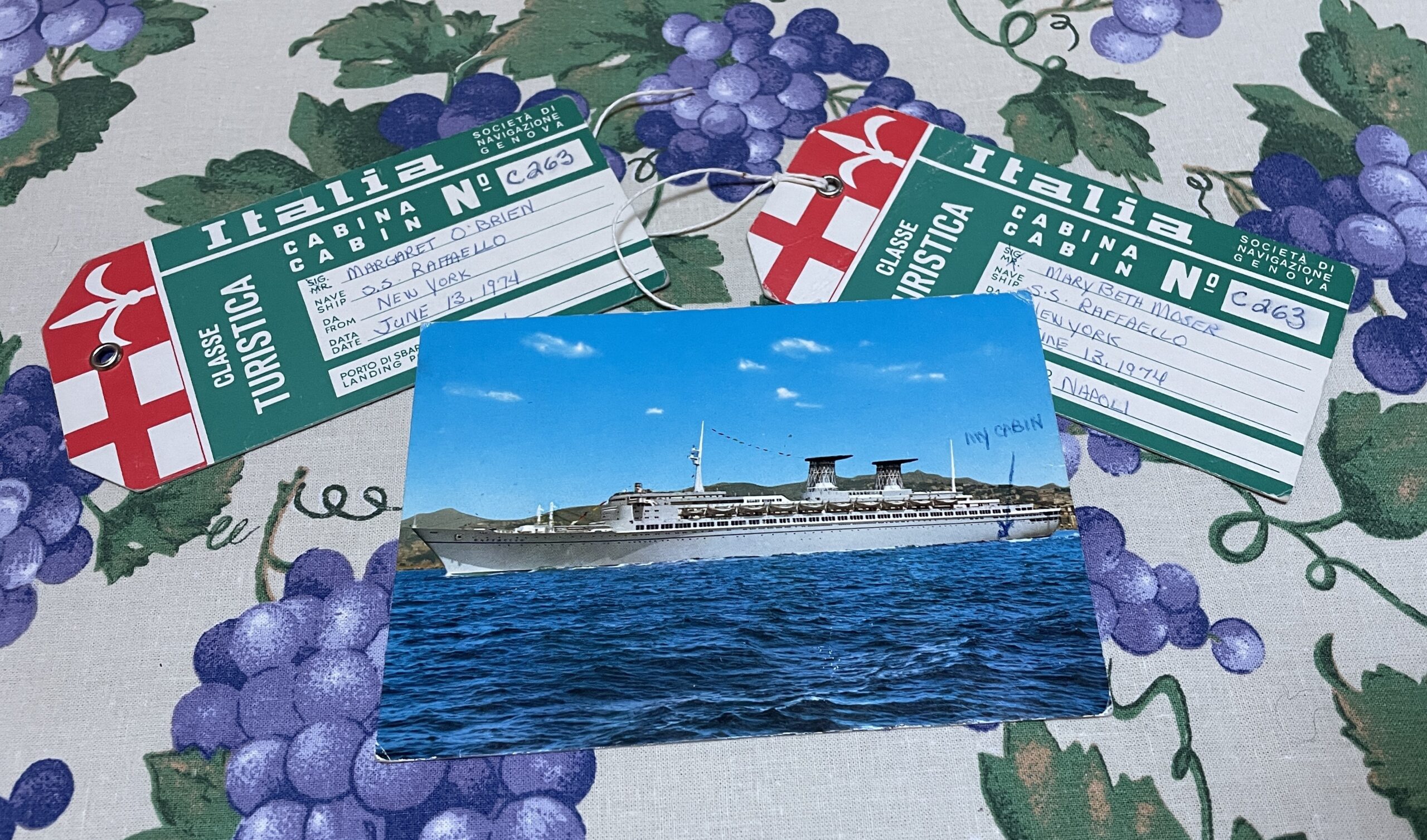
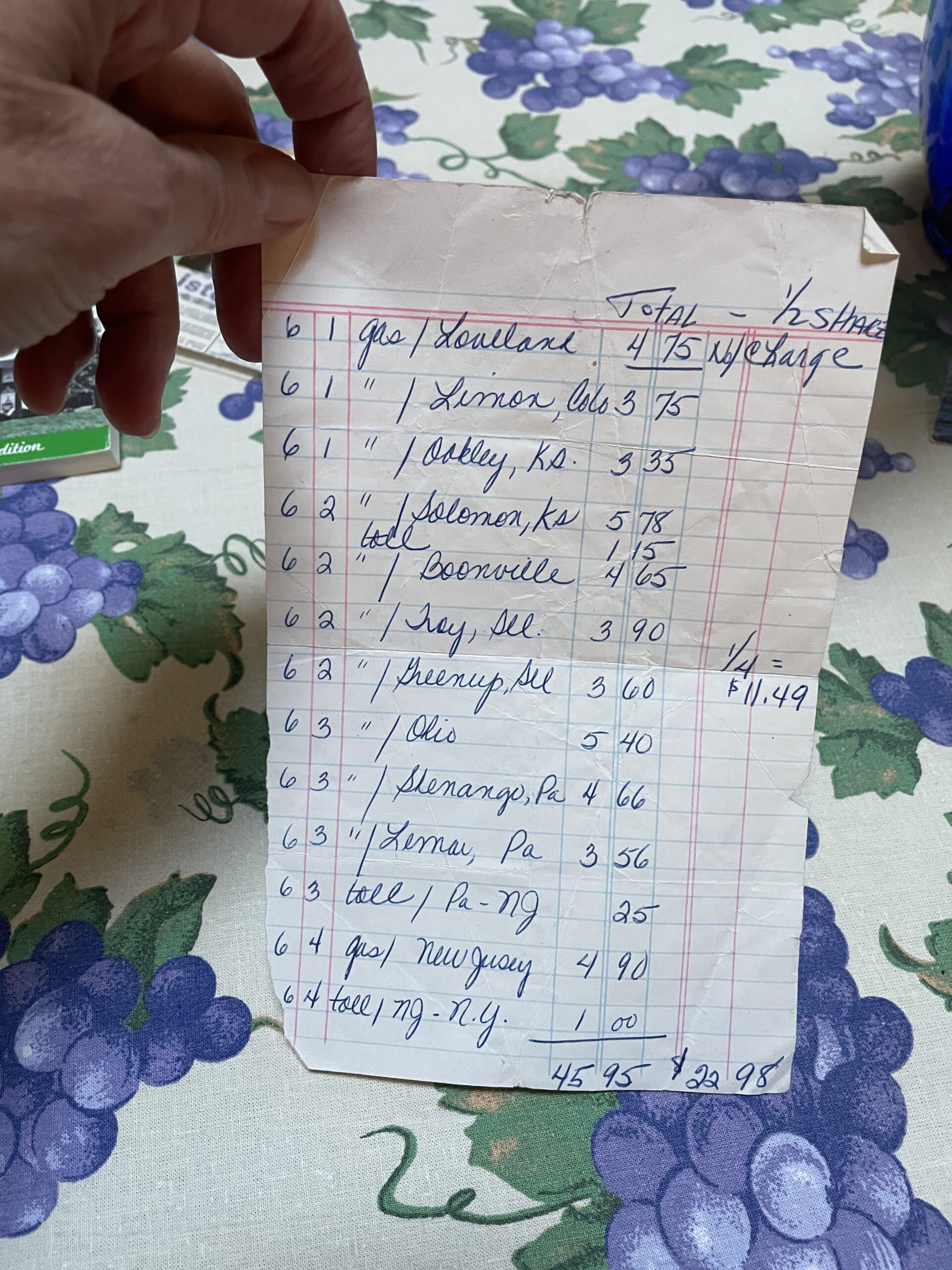
Margie posted a notice on our “rider board” at Colorado State University, and on June 1, 1974, we hopped in a car with some older students who were heading home to New York City. Margie’s dad had advised us to travel by Italian steamship. “These ships won’t always be operating,” he said.  We took his advice, and $600 of our total fund went to our one-way ocean transit from New York to Naples.

The journey across the Atlantic was our initiation. Food was included, so we dined heartily with other Italians at our assigned table. Soon enough we would be living on our planned allotment of $5 – $10 a day for the rest of the summer.

Onboard the SS Rafaello, we wandered the ship by day, danced in the ballrooms at night, made friends with English-speaking youth and Italian passengers, and marveled at the vastness of the sea.

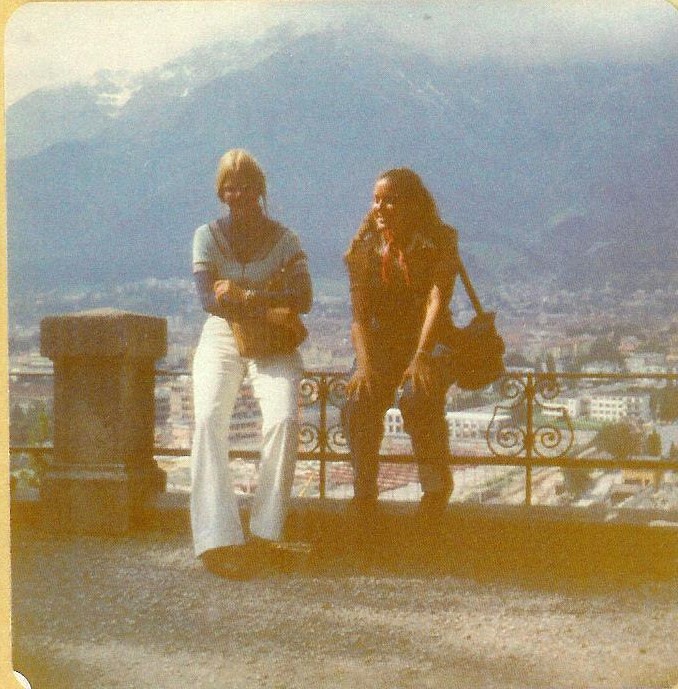
Our summer unfolded along planned and unexpected routes as we learned how to travel by train and bus. We were youth meeting other young people from across the world to see the great European cities. Our legs grew strong from walking, our skin darkened from the Mediterranean sun. We learned how to read maps and communicate creatively using our beginning language skills.

I mark this trip as the first open door to my past. I was making the journey in reverse that my immigrant grandparents had made earlier that century. I knew little about them, and less about Europe. In the years to come I would return to Europe several times to find and visit the villages they left and to meet the cousins who lived there. I would invite other family members through that golden door, across that shining sea.

I imagine Margie and I doing that journey again together now, as older women. The ships no longer run, at least not the Italian steamships. So, for now, I will honor this life-changing event with my words until we can be on the water together somewhere.

I honor our courage. I bless the sea that offered us passage between new world and old. I offer gratitude for my grandmother’s generosity and I thank Margie for the invitation that opened a door to my future and to my past.

“Come Home With Me!”

(reposted from DEA MADRE October 2015)

Carmela Moser was the first person I met in 1980 when I set out to find my father’s relatives in Trentino, Italy. I was on a bus, clearly a traveler with my backpack, headed to the little village of Faida di Pinè, where my grandfather was born. Not many foreigners, and probably never any Americans, rode this bus. The woman on the bus was curious. “I’m searching for my relatives,” I explained in my best Italian. When she learned my cognome was Moser, she said, “Io sono Moser! Vieni a casa con me!” “I am a Moser! Come home with me.”

We spent the next couple of hours listing our families’ names and birthdates, searching for a connection. I explained that my grandfather was Giovanni Moser and had emigrated to the US in the early 1900s. She too had a relative with that name who emigrated about the same time, but ultimately we determined they were not the same person. I learned that most of the people in the village of 300 or so people had the surname of Moser, and that Giovanni was a common first name. After some thought she said that, although we were not related, she knew who my cousins were and where they lived. She directed me to the village of Cirè, where she said my relatives operated the sawmill. I got back on the bus, and sure enough, later that day met Onorina Bortolamedi, the wife of my dad’s first cousin. Carmela, with her vast knowledge of the cultural history of her village, gave me the gift of locating my father’s family. Continue reading

Walking with the Queen

A great sense of joy emerged as I wandered through the forest last weekend, with the midday light of May Eve beaming through. I had entered with a cluttered mind and heart of unfinished projects and unresolved emotions. But after a short while, I realized that pleasure was permeating my senses, awaiting my acknowledgement.  I was immersed in the vibrancy of the plants, birds, mosses, and trees. Once I surrendered my thoughts and offered my complete awareness and admiration, a lightness entered my being that lingered the rest of the day. Merisana’s presence. Continue reading

A Tribute to Irma: Friend, Cousin, Wise Woman

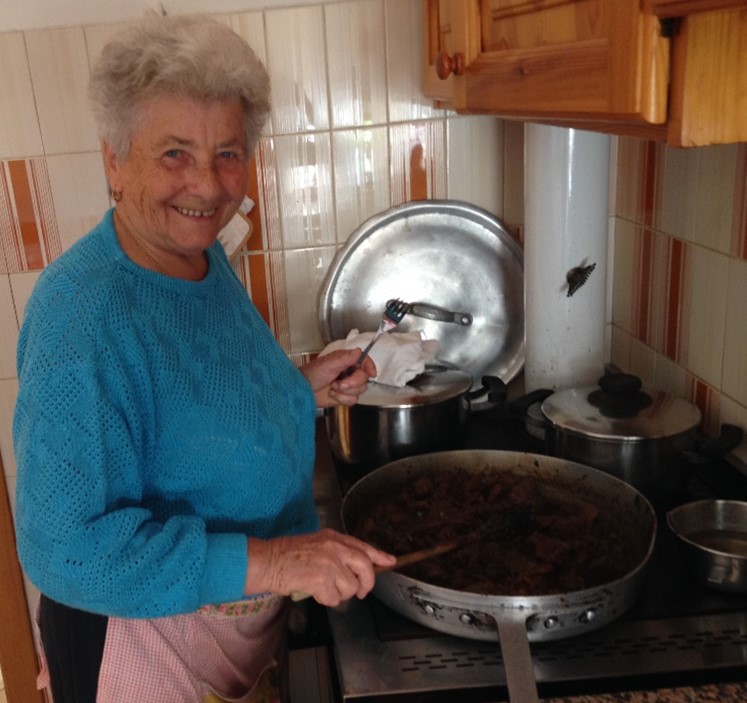
Over the years, when I needed to imagine a place of comfort, it was with my beloved cousin Irma, at her kitchen table.  Today, January 2nd, would have been her 84th birthday.  In July of 2020, we received the most difficult news from our cousins in Italy that she had left this world. Irma felt like more than a cousin, more than a friend. She was a living connection to a way of life that allowed me to see into my family’s story.

Continue reading

The Grace and Wonder of the Christmas Creche

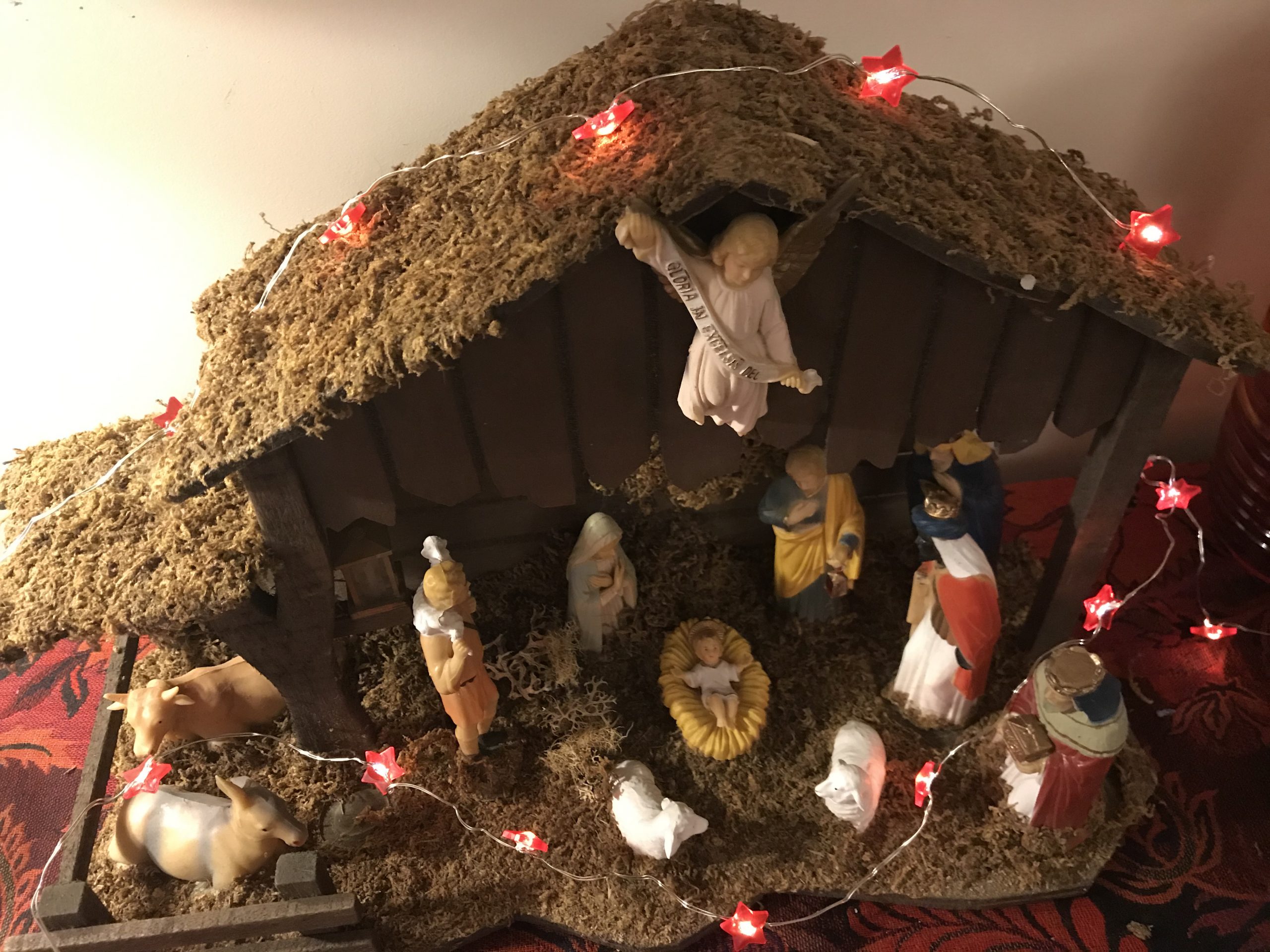
One of the few Christmas decorations I pull out each year is a Christmas manger scene that my mother gave me. Over the decades, Mom would ask me if I had set it up yet, so partly from guilt I would get it out, so that I could say yes. But the truth is, it has brought me a lot of joy to see the little baby Jesus in his crib, surrounded by animals, loving parents, and travelers, and protected by an angel. The human figures no longer stand firmly on their own without toppling over a few times.  It isn’t a finely carved presepio that Italy is known for. The figures and manger are molded plastic, yet they are still tasteful.

One year, the year that was to be my mom’s last, when the Epiphany arrived on January 6th, I resisted taking the nativity set down. Mom was not doing well and having this Holy Child nearby felt like a source of grace and comfort. Mom left hers up as well, and we joked on the phone that this was the longest time that we had ever had them on display into the new year. Continue reading

My Mother’s Letters: Everyday Stories Across Time

edited Mom and Me 2012As a tribute to my mother, Lena Moser, who left this world five years ago today at age 90, it feels appropriate to reprint an excerpt of my introduction from She Is Everywhere, Volume 3. It is a testimony to her resilience (she recovered fully from the episode below), the power of stories to sustain us; and the importance of sharing and caring. Blessed be, dearest Mother! Blessed be!

New Moon, March 4, 2011   As I write this introduction, I have just returned from a period of caring for and being with my mother, who is recovering from a broken hip. When she fell, on January 3, 2011 and hit the floor of her dining room, the earth shook for me upon hearing the news. Learning of her progress with reports from my sister, Marlene, and then witnessing her daily improvements in person have inspired me during these tumbling times of change. Will I have her determination when I am 87 years old to meet such challenges? Do I have such courage now to rise up and learn to move in new ways in a changing world? Will we all be able to do the hard work of rebuilding broken structures that no longer sustain us? Continue reading

“We’ve been waiting for you. . . .”

Felicita.JPGDecades ago, after my grandparents had died, I felt called by my ancestors to visit my ancestral homeland and to find my grandparents’ birthplaces. From the years of genealogical research that followed, I know that I am the daughter of Lena, granddaughter of Edvige, great granddaughter of Felicita, and great great granddaughter of Margerita. It is these women in my motherline who beckoned me to retrieve my cultural heritage with a focus on folk women’s culture.

On the eve of February 2, 2007, the midway point on the solar cycle of the year between the longest night and the spring equinox, I opened El Meledri, the periodical from the village of my maternal grandmother in northern Italy, named for the river that borders the village. Inside, there was a photo of three women: my great grandmother, at the center, and her two oldest daughters, Emma and Erminia on either side. Their eyes seemed to look straight across the ages into mine and say, “We’ve been waiting for you.”

Knowledge of my culture was not handed down to me explicitly, as it was for centuries from mother to daughter, parent to child, for a number of reasons including early deaths, immigration to the United States, discrimination, and the missing link of stories tied to particular places.

Much of the oral history was lost due to language. My mother could understand her mother’s spoken dialect (a particular variation of Italian), but she responded to her in English. Here in the United States, my grandmother’s language—the very medium of agency through which her culture had been communicated for generations—became a source of shame, due to her inability to speak “good English.” Her oldest daughter, my Aunt Annie, told me that my grandmother brought her along as a translator in shops to conduct transactions. Through language courses, and with time, my grandmother mastered the English necessary to pass the difficult exam for citizenship, which became a source of pride.

Three years before I was born, my grandmother died while sitting in my mother’s kitchen. As a result, I did not hear a single word of my grandmother’s language growing up. Only in 1981, when I traveled with my mother to Italy so that she could see the birth village of her mother, did this hidden language that she held inside for thirty years tumble out.

In this unfolding story of my heritage, I have sought to recover and make more evident the folk wisdom of my ancestors, particularly of my female ancestors. The arrival of the photo of my bisononna by mail on the sacred day of Santa Brigida, also known as Candlemas, while I was deep in coursework for my dissertation on my ancestral heritage, seemed to be an auspicious affirmation of my Ancestor’s desire to be known.

From my studies and travels, I now know – and thus can appreciate more fully – the numerous ways that cultural values have been transmitted to me in everyday family life, including through food, clothing, medicine, religious practices, acts of service, and celebration.

The Motherline: Laundry, Lunedi, and Women’s Lineage

14264002_10207126183218621_3293015868250446570_n2The blackberries are fermenting on the vine, fallen leaves blanket the picnic table, and the slice of sun on my clothesline arrives later each day. With the arrival of fall, the days of being able to hang my laundry outside are growing fewer. Lately I have been pondering my passion for this ritual of outdoor clothes drying. Is it only the sensual pleasure I crave, or something more? Continue reading